

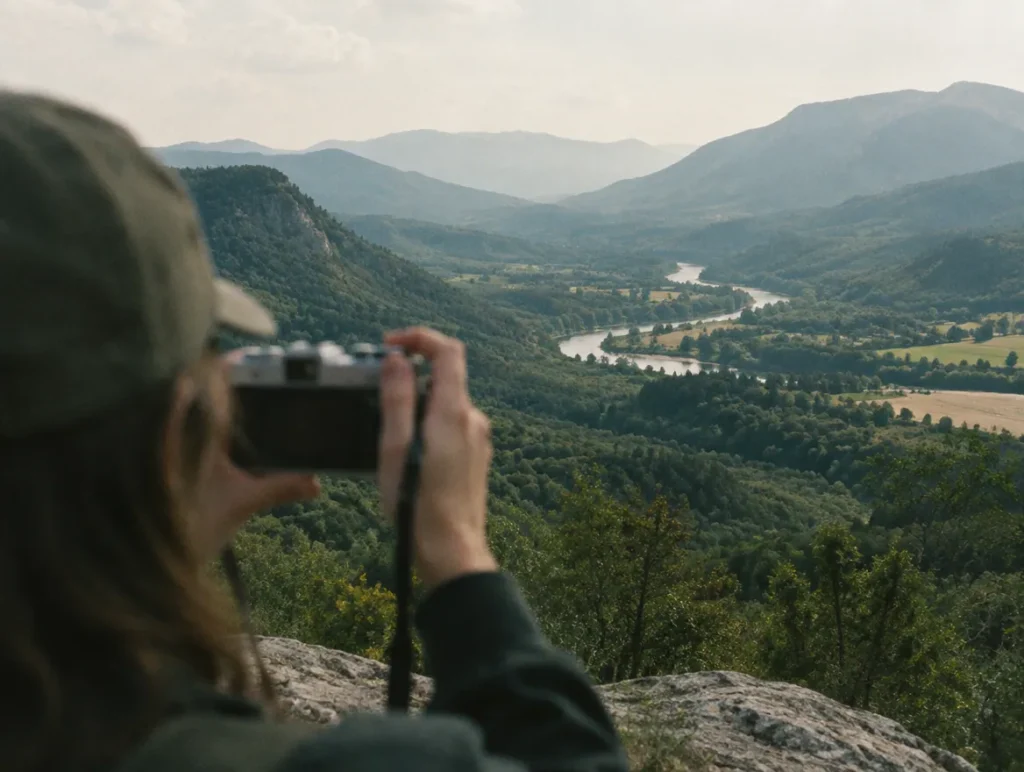
Almost every Spiti itinerary sold as a week-long trip has the same flaw, and it is not the distance. It is that the acclimatisation days are written into the plan and then quietly skipped, because they look like days where nothing happens.
Spiti sits between roughly 3,000 and 4,500 metres. Kaza, the main town, is around 3,650. That is high enough that the way you arrive determines whether the trip is memorable or spent lying down with a headache.
The two routes in, and why it matters
Via Shimla and Kinnaur. Shimla to Narkanda to Sangla or Chitkul, then Kalpa, Nako, Tabo and Kaza. This gains altitude gradually over four or five days, roughly 2,200 metres to 3,650 in stages.
Via Manali and Kunzum La. Manali to Kaza in one very long day over a pass above 4,500 metres. This gains more than 2,000 metres in under twelve hours.
The Manali route is shorter and far more popular because it fits a shorter holiday. It is also the route that produces almost all the altitude sickness we hear about.
The strong recommendation: go in via Shimla, come out via Manali. You ascend slowly and descend fast, which is the correct direction for both routes. The circuit takes about nine or ten days and it is the single most important structural decision in a Spiti trip.
What the acclimatisation days actually are
They are not rest days where you sit in a room. They are days where you sleep no higher than the previous night and walk gently during the day.
On the Shimla route the natural stops are:
- Two nights at Kalpa or Sangla, around 2,700 to 2,960 metres. Walk to the villages, look at Kinner Kailash, do nothing strenuous.
- Two nights at Nako or Tabo, around 3,050 to 3,660. Tabo monastery is over a thousand years old and worth a full unhurried day; this is the easiest acclimatisation day in the world to enjoy, because there is something genuinely significant to look at.
- Then Kaza, with a further easy day before attempting anything higher.
The rule that matters above 3,000 metres: increase your sleeping altitude by no more than a few hundred metres per night, and if you gain more, spend an extra night before going higher.
The higher villages, and when to do them
Komic, Hikkim and Langza sit above 4,000 metres in a loop from Kaza. Hikkim has the high post office people write postcards from; Langza has the fossil fields and the large Buddha statue.
Do this loop after at least two nights in Kaza, not on arrival day. It is a half-day drive and it is the most common place for people to feel the altitude, because they arrive in Kaza and go straight up another 500 metres.
Chandratal, the lake near Kunzum La at about 4,250 metres, is best as a stop on the way out towards Manali rather than a day trip from Kaza.
Recognising altitude sickness honestly
Mild symptoms are common and manageable: headache, poor sleep, loss of appetite, breathlessness on stairs. Rest, water, no alcohol, no further ascent until it clears.
The symptoms that mean descend now, not in the morning: confusion, inability to walk in a straight line, breathlessness at rest, or a persistent cough with a feeling of chest congestion. These indicate the serious forms and the only reliable treatment is losing altitude fast.
Discuss preventive medication with a doctor before you travel rather than taking advice from an itinerary. Carry a pulse oximeter; it is small, cheap and removes the guesswork.
When to go
The full circuit needs the Kunzum La pass open, which is broadly mid-June to early October depending on snow. The Shimla side stays open much longer and Spiti is reachable from Kinnaur in winter, but that is a different and much harder trip.
July and August bring monsoon landslides on the Kinnaur road specifically. September is the best month on balance: clear, the road usually open both ways, and the light is extraordinary.
Practical notes
- Cash. ATMs in Kaza exist and are unreliable. Carry what you need for the whole valley.
- Fuel. The petrol pump at Kaza is one of the highest in the world and the only one for a long way. Fill up whenever you can.
- Connectivity. Postpaid connections on a limited number of networks work in patches. Tell people at home you will be unreachable.
- Homestays. Village homestays are the best accommodation in the valley and they put money directly into the villages. Expect shared bathrooms and dry toilets.
- Layers. A 25-degree day and a near-freezing night is normal in September.
Build the two extra days in. They are the cheapest insurance in the itinerary, and they are usually the days people describe afterwards as their favourite.